Looking is learned
When John Powers first encountered modern art, he didn't understand it. He kept looking anyway. The film follows what happens when you stay with a work long enough for it to change you.
The Story
John and Kimiko Powers lived with art, and with the people who made it. This is the story of how that kind of attention transforms a life.
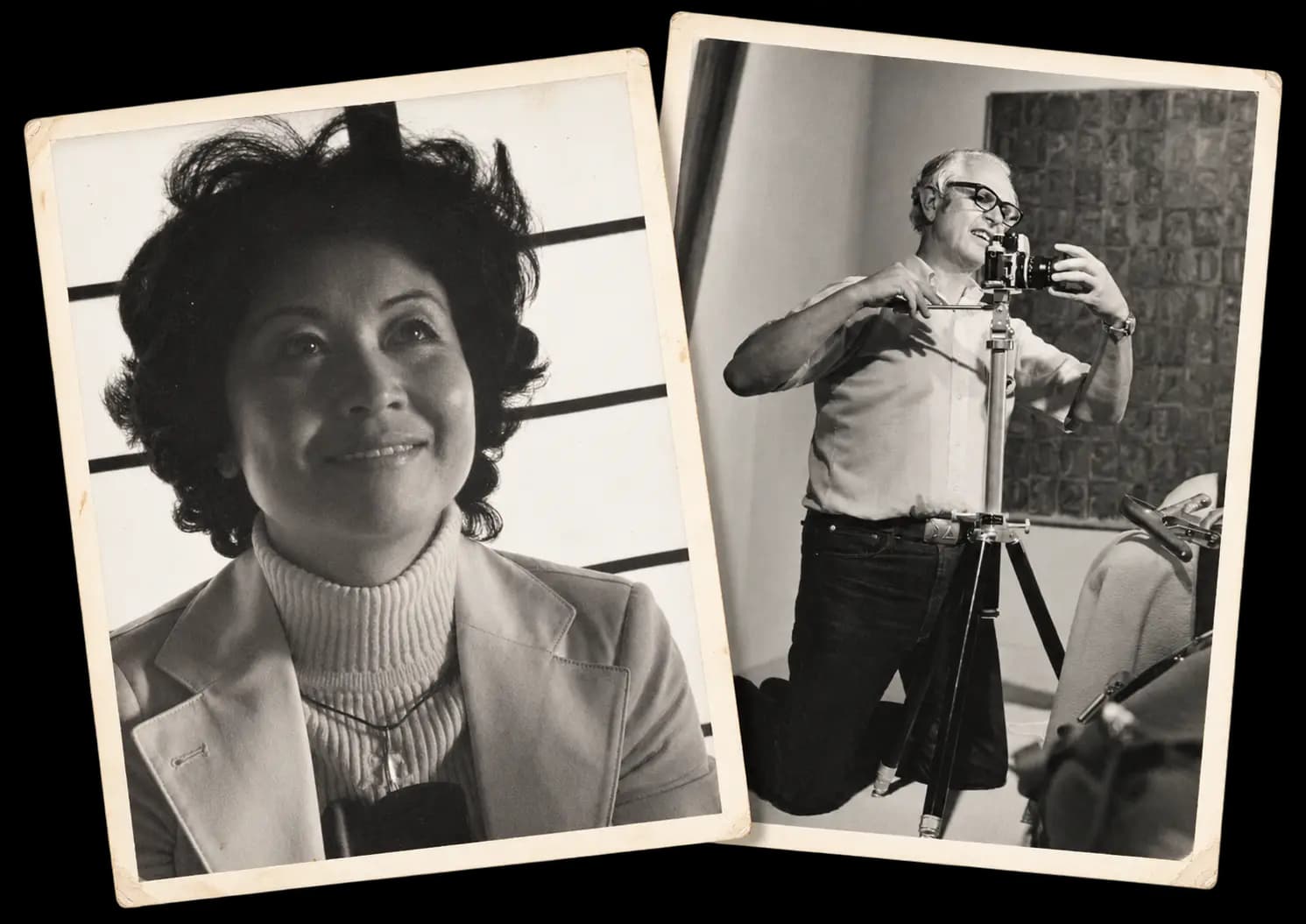
An intimate record
“What do you see?”— John Powers
In the early 1960s, while critics were still dismissing Pop Art, John and Kimiko Powers were buying it and befriending the artists who made it. They were drawn less to the work as commodity than to the people themselves.
Trusted friends to Andy Warhol, Jasper Johns, Roy Lichtenstein, Robert Rauschenberg, Claes Oldenburg, James Rosenquist, and Christo, they helped shape an era while remaining, by choice, just outside the spotlight.
Drawing on the Powers' personal archives and never-before-seen conversations with Warhol, Lichtenstein, Rauschenberg, Oldenburg, Rosenquist, and Christo, the film is an intimate account of two collectors for whom the friendships mattered as much as the works. “Art,” John liked to say, “is an awareness of life.”
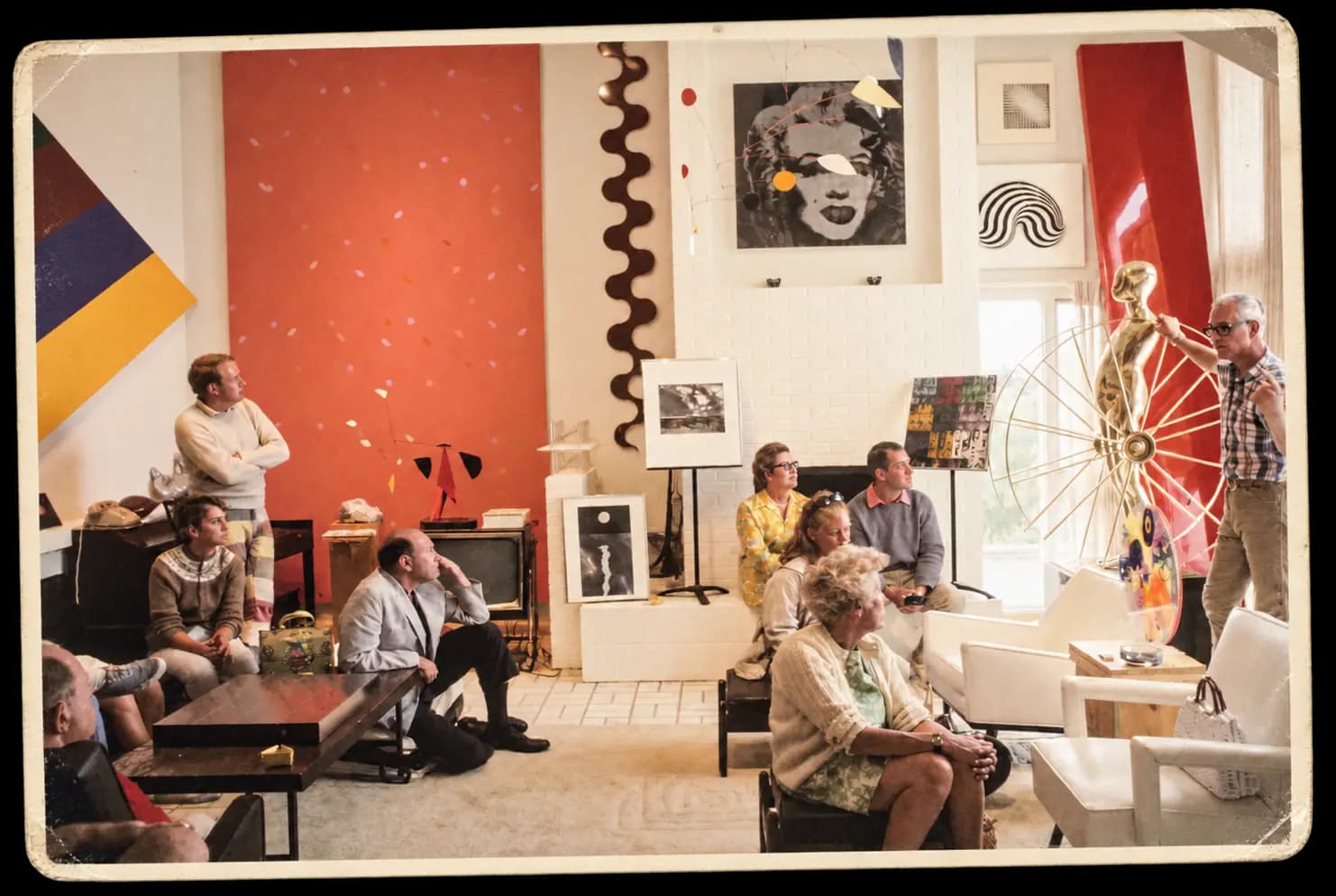
Living with art
Their Colorado home made art part of daily experience—a place where works could be encountered repeatedly, questioned, discussed, and shared. The film asks what becomes possible when looking is not a rare occasion, but a practice.
Ideas within the film
When John Powers first encountered modern art, he didn't understand it. He kept looking anyway. The film follows what happens when you stay with a work long enough for it to change you.
The Powers bought what moved them, often while critics were still dismissing it. They never set out to pick winners. They trusted their own eyes.
Warhol in the living room, artists gathered in Aspen. For John and Kimiko the friendships were the point, and the collection is what those friendships left behind.
John couldn't stand in front of a painting without asking someone else what they saw. That habit became a museum in the Colorado mountains, where the next generation now meets this art for the first time.